How To Test A Boat Fuel Gauge
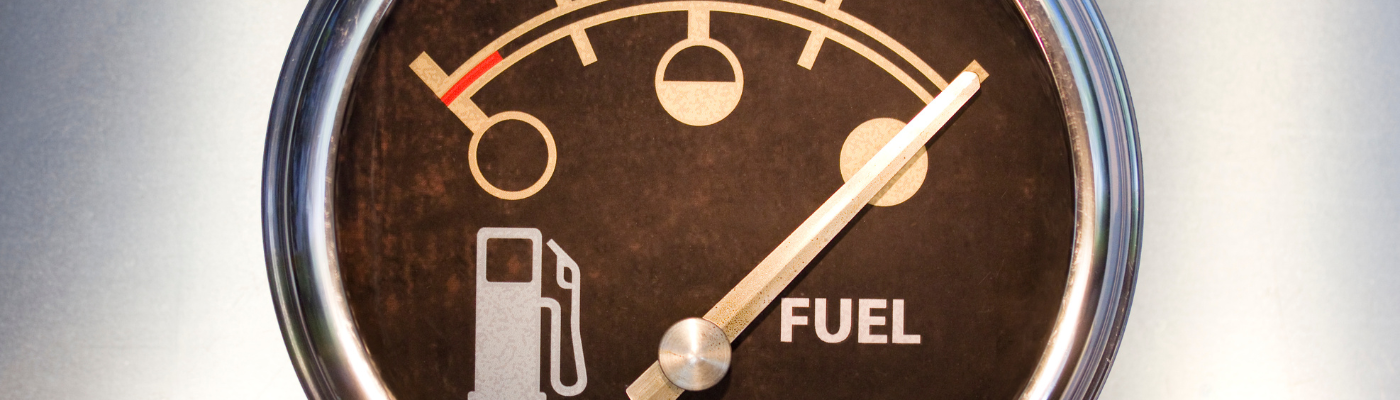
A reliable boat fuel gauge isn’t just convenient–it’s essential for boat safety. When your fuel gauge on a boat is not working, it will leave you guessing how much fuel is truly in your boat fuel tank. Fortunately, most fuel-reading problems can relate to the boat fuel gauge sending units, wiring issues, or even the gauge itself. America’s Boating Club | United States Power Squadrons will walk you through the best way to test your boat fuel gauge and sending unit, understand how the system works, and troubleshoot the most common issues. Some of these steps involve removing the sending unit from the tank. If you are not comfortable in doing this step, seek the services of a qualified marine service professional.
How Do I Test My Fuel Gauge on My Boat?
Testing a boat fuel gauge involves checking three main components:
- The gauge
- The sending unit
- The wiring between them
Below are the steps every safe boater should follow:
1. Check Power to the Fuel Gauge
Most fuel gauges on boats start with power problems.
How to test:
- Turn the boat’s ignition to ON position
- Observe whether the fuel gauge needle moves slightly
- Use a multimeter to check the 12V power at the ignition terminal
If there is no power, you likely have a wiring issue, blown fuse, or corroded connection in the boat fuel gauge power wiring.
2. Test the Ground Connection
A poor ground can also cause the fuel gauge not working on a boat problem.
How to test:
- Locate the gauge ground wire
- Use a multimeter to ensure continuity between the gauge ground and the battery ground
- Clean or replace any of the corroded terminals or defective wiring
3. Testing the Fuel Gauge Itself
You can test the gauge by simulating "empty" and "full" readings.
To test the gauge:
- Disconnect the sender wire which is typically labeled “S”
- With the ignition ON:
- Touch the sender wire to ground and the gauge should read FULL.
- Leave it disconnected and the gauge should read EMPTY.
If this works the boat fuel gauge is functioning properly and likely the issue is with the boat fuel gauge sending unit. If this method doesn’t work it is best that you replace the gauge.
4. Test the Boat Fuel Gauge Sending Unit
The boat fuel gauge sending unit in the tank typically uses a float arm and resistor to measure its fuel levels.
How to test:
- Remove the sending unit access plate
- Disconnect the sender wire and ground it
- Use a multimeter set to OHMS across the sender terminals
- Manually move the float arm from empty to full
A working boat fuel gauge and sending unit should show a smooth change of resistance.
Typical symptoms of a bad sending unit:
- Stuck float
- Corrosion
- Jumping resistance readings
- No resistance change as tank levels change
If the reading doesn't change smoothly–or doesn’t move at all–your sending unit needs to be replaced.
5. Test Boat Fuel Gauge Wiring
A damaged or corroded wire may interrupt signals from the sender to the gauge.
Check for:
- Frayed insulation
- Loose connectors
- Corrosion on the terminals
- Broken wires hidden inside harnesses
Using a multimeter, test the continuity on the sender wire from tank to gauge.
How Many Ohms Is a Boat Fuel Gauge?
Most U.S. marine fuel gauges will follow the standard 33-240 ohm range, but it is important to check your manufacturer specifications.
Here’s a quick guide:
- Fuel Level: Full
- Ohms Reading Standard: 33 Ω (low resistance)
- Fuel Level: Empty
- Ohms Reading Standard: 240 Ω (high resistance)
Some European or specialty gauges can use different resistance ranges, so if your boat fuel flow gauge or sender isn’t reading correctly, a mismatched component may be the cause.
Common Signs Your Fuel Gauge System Is Failing
- Gauge stuck on Full or Empty
- Gauge bounces or fluctuates randomly
- Fuel gauge doesn’t work on your vessel at all
- Fuel gauge reads opposite (full = empty)
- Boat runs out of fuel unexpectedly
Often the root cause is one of these:
- Faulty sending unit
- Wrong ohm-range sender installed
- Bad gauge
- Poor ground
- Corrosion in boat fuel gauge wiring
Keep Your Fuel System Accurately
Understanding how to test your boat’s fuel gauge can give you the confidence to diagnose problems way before they become safety hazards. Whether the issue lies in the gauge, sending unit, or wiring, taking this systematic approach that America's Boating Club has provided will help you restore accurate fuel readings and avoid unexpected surprises when out on the water. With correct testing, attention to detail, and awareness of your system’s ohm range, you will enjoy a safer boating experience.
Read more boating tips on our blog!